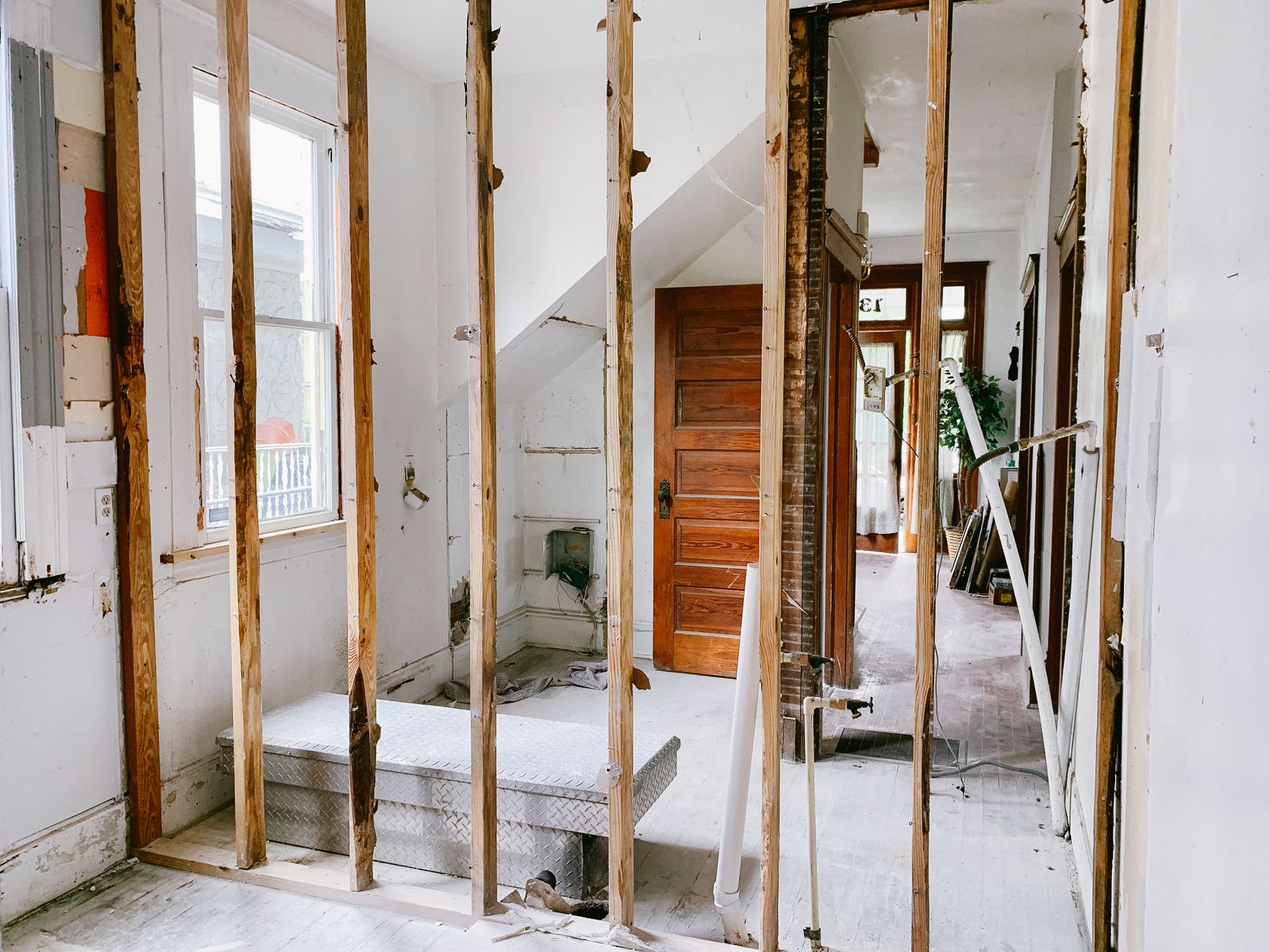
The property market in Portugal has undergone significant changes in recent years. These changes reflect not only domestic economic and social dynamics, but also global trends that influence the way we live and invest.
Investing in old or derelict properties has become an increasingly popular trend in Portugal, sparking curiosity and interest amongst both domestic and foreign investors. This interest stems from a number of factors, ranging from economic opportunities to the cultural and historical value that these properties can offer. In this article, we analyse the advantages and disadvantages of this type of investment, whilst also offering some useful tips for anyone considering venturing into this field.
What are the disadvantages of investing in old or derelict houses?
It is crucial to bear in mind some of the difficulties associated with buying old or dilapidated houses. Here are a few points to consider:
Renovation costs: the low initial price may be offset by high costs associated with repairing structural problems or carrying out major refurbishment.
Bureaucracy and legal permits: Renovation may involve complex bureaucratic procedures, particularly in protected or designated areas.
Return on investment: refurbishment can be a time-consuming process, delaying the point at which the property starts to generate income or can be sold.
What are the advantages of investing in old houses or derelict properties?
Despite their drawbacks, these properties offer considerable advantages:
Affordable price: these properties generally have a lower purchase price, allowing for further investment in refurbishments and improvements.
Potential for appreciation: With the right refurbishment, the property’s value can increase significantly, particularly in strategic or tourist locations.
P****ersonalisation to Suit Your Taste: Renovating an old house gives you the freedom to personalise the property according to your personal preferences or current trends.
Historic Location: Many of these houses are situated in historic or central areas, which are highly sought-after for tourism or high-end residential properties.
Tips for investing in old or derelict houses
If you decide to invest in this type of property, here are a few recommendations to ensure the success of your venture:
Preliminary technical survey: hire qualified professionals to assess the property’s actual condition and avoid any unpleasant surprises.
Financial feasibility analysis: draw up a detailed budget, including all direct and indirect costs.
Understanding your legal obligations: make sure you are aware of local regulations and legal requirements to avoid future problems.
Time management: be prepared for potential delays and draw up a realistic schedule for the works.
Consultation with specialists: work with experienced architects and engineers to ensure quality and compliance with the law during the refurbishment.
Investing in old or derelict houses can present an excellent opportunity for financial gain and a contribution to heritage preservation. With careful planning, a realistic assessment of the pros and cons, and the right support, you can transform a neglected property into a source of significant returns. Do not hesitate to consult property experts for personalised advice to ensure the success of your investment.
This is an article that I believe will be of particular interest to you. Don’t forget, my success is reflected in your satisfaction. See you soon…